Marina Tiefenthaler
Principal Designer, Founder
LEED Certified - demonstrating the knowledge and understanding of green building practices and principles needed to support the use of the LEED green building program
At TMARINA DESIGN STUDIO, I create homes that are not only visually refined but also designed to support real life. Whether you're raising children, sharing your home with pets, entertaining friends, or simply navigating the demands of a busy schedule, your space should work effortlessly for you. I understand how important it is to choose materials that stand up to everyday wear, incorporate practical storage without sacrificing style, and make thoughtful design decisions that deliver lasting value.
I believe exceptional interiors are both beautiful and purposeful - spaces where every element serves a function and contributes to a greater sense of harmony. Thoughtful design should elevate the way we live, enriching daily routines through balance, comfort, and a sense of ease.
Well-designed spaces have the quiet power to influence how we feel. They can inspire focus, encourage connection, create calm amidst a busy day, and bring a sense of joy to everyday moments. My goal is to help clients create homes that feel elevated yet approachable, beautiful yet practical, and ultimately, a true reflection of the lives being lived within them.
“Good design is not the one where nothing is left to add; good design is the one where nothing is left to subtract.”
What You're Really Getting When You Hire an Interior Designer
In the home-building process, the typical sequence is:
Architect → Interior Designer → General Contractor.
Interior designers play a critical role in translating architectural plans into a functional, cohesive, and livable home.
Interior Design Phases:
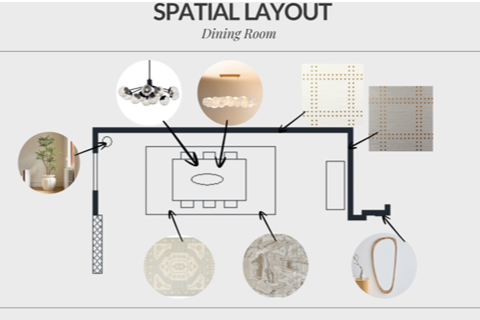
1. Schematic Design (SD) - “The Big Idea”
Purpose: Establish the overall concept and layout
Focus: What goes where and the overall design direction.
Includes:
Space planning and circulation
Preliminary layouts
Concept direction and inspiration
Early budget alignment
At this stage, changes are expected and easy to implement.
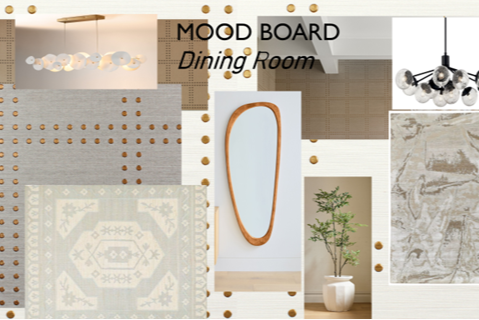
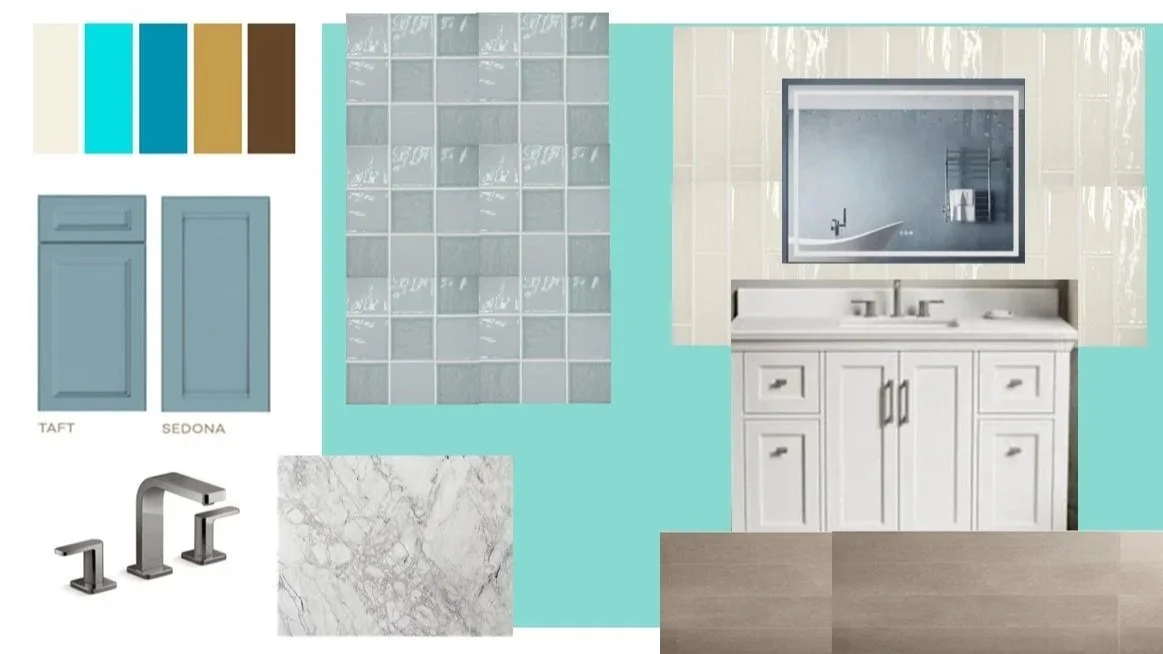
2. Design Development (DD) - “Refinement”
Purpose: Develop and finalize the design
Focus: How the space looks and what it’s made of
Includes:
Finalized layouts
Material and finish selections
Custom design details
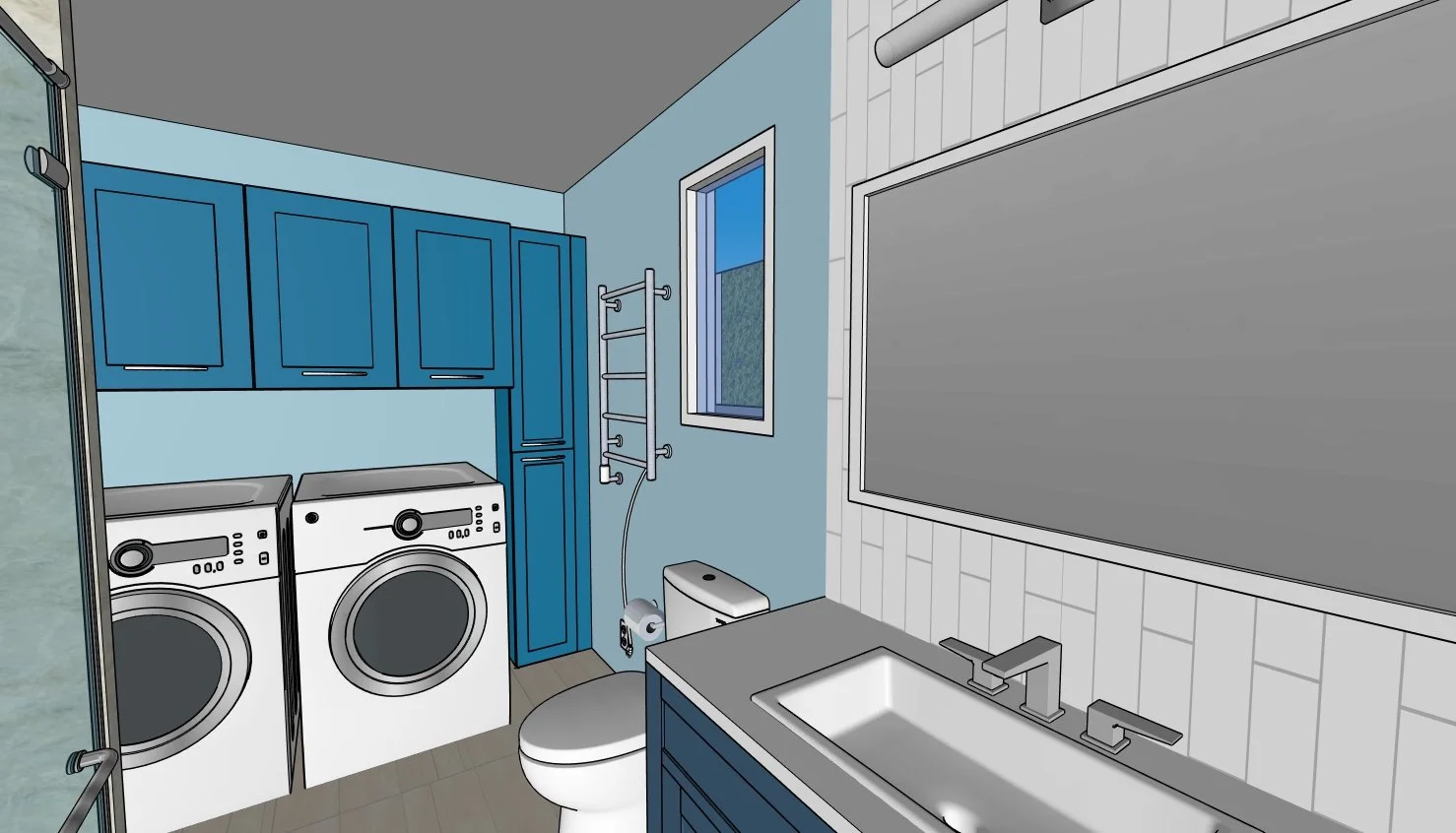
Preliminary lighting, millwork, and elevations
Decisions become more detailed and intentional during this phase.
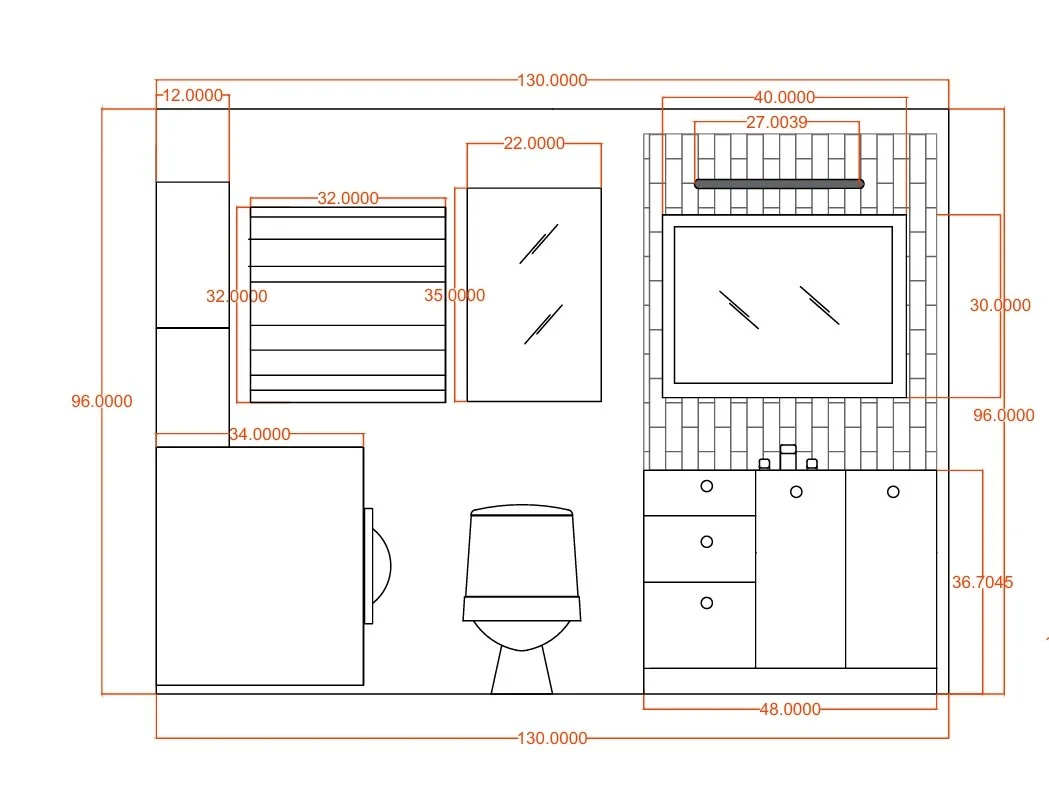
3. Construction Documents (CD) - “Execution”
Purpose: Prepare the project for construction
Focus: How the design is built
Includes:
Detailed drawings for contractors
Dimensions and technical specifications
Coordination with consultants
Permit-ready documentation
Changes at this stage are costly and time-sensitive.
Interior design is about far more than decoration - it’s about creating spaces that function beautifully, feel intentional, and truly support the way people live. This process is what transforms a house into a home.